
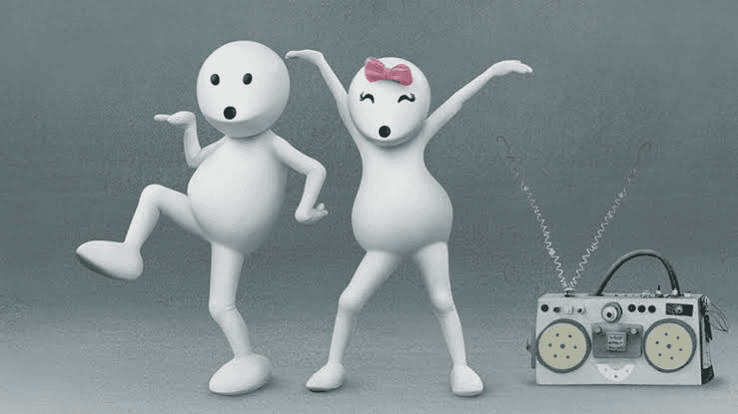
Remember Vodafone’s little ZooZoos during IPL season?
The white doll-type-humans who were fun and evil. Nostalgic, right?
Then Vodafone and Idea became Vi.
t wasn’t just a new logo. Two familiar brands had come together, and the identity had to evolve with the business.
That is what rebranding is really about. A brand can be well-known and still need to change when the business, audience or market changes.
Maybe you have expanded into new markets, added new services or outgrown your original positioning. Your brand may simply no longer reflect the business you have become.
So, how do you know when it is time to rebrand?
It isn’t just about having an old logo. It is about whether your brand still tells the right story.
This is where Ztrategize can help, bringing branding and marketing together to build identities that support where businesses want to go next.
Here are 10 signs your business may be ready for a rebrand.
What Does Rebranding Actually Mean?
Rebranding is the process of strategically changing how a business is positioned and understood. It can be logos, messaging, positioning, brand personality, values, name or even the underlying brand strategy.
That matters because rebranding is NOT the same as changing a logo. Think of your brand as a person’s reputation. Changing their clothes might alter their appearance, but it does not necessarily change how people view them.
A genuine rebrand goes deeper. It asks whether the business’s identity, promise and market position still make sense.
In a nutshell,
Brand change | What It usually means |
Logo or colour update | Visual refresh |
New messaging | Positioning or communication change |
New target audience | Strategic repositioning |
New identity, positioning, and purpose | Full rebrand |
The important point is that rebranding should begin with a business problem, not a design preference.
Why Do Businesses Delay Rebranding?
The dangerous concept of “familiarity”
Founders have spent years looking at the same logo, website and messaging. What feels outdated internally may still feel perfectly normal to them.
The fear of losing “recognition”
Existing customers know the current identity, so changing it can feel like throwing away valuable brand equity.
The curse of “timing”
Businesses tend to prioritise immediate operational concerns such as sales, hiring, product development and cash flow. Branding gets pushed down the list until the gap between the business and its identity becomes impossible to ignore.
But delaying a rebrand can create its own costs. An outdated identity can make a growing business look smaller than it is, while unclear messaging can make a sophisticated product difficult to understand.
The better approach is not to ask, “Do we like our branding anymore?”
Ask, “Is our current brand helping or limiting our next stage of growth?”
10 Signs It’s Time To Rebrand Your Business
There is no universal expiry date for a brand. A five-year-old identity can be highly effective, while a two-year-old identity can already be misaligned.
Look for these signals instead.
1. Your Business Has Outgrown Its Original Identity
Perhaps you started with one product and now have ten. Maybe a small local business has become a regional company. Or a service provider has evolved into a technology-led organisation.
2. Your Target Audience Has Changed
The customers who helped you build the business may not be the customers you want to attract next. If your audience, price point, market or buyer expectations have changed, your positioning needs to evolve with them.
3. Customers Don’t Understand What You Do
This is one of the strongest signs. If customers regularly ask what your company actually does, your messaging may not be working right.
Your homepage, pitch, social profiles and sales material should make your value proposition understandable without requiring a 20-minute explanation.
4. Your Brand Looks Like Everyone Else
If your competitors use similar colours, language, photography and positioning, customers have fewer reasons to remember you. A rebrand can create a clearer, fresh feel rather than simply making the logo look more modern.
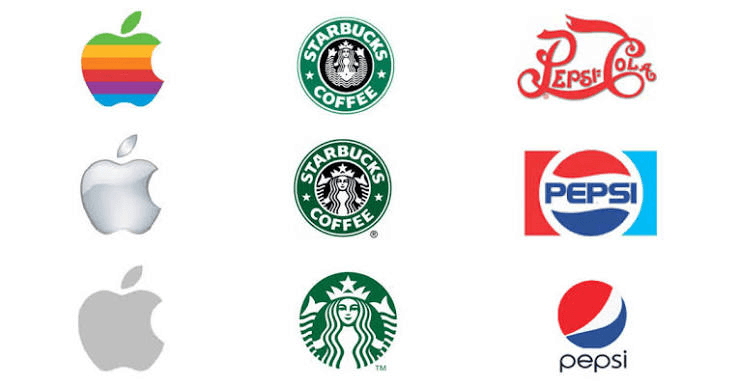
5. Your Visual Identity Feels Outdated
Design trends alone are not a reason to rebrand. But when your identity consistently communicates an older version of your business, it becomes a credibility issue.
6. Your Messaging Is Inconsistent
If your website sounds corporate, your social media sounds casual, and your sales team describes the company differently, customers receive mixed signals.
7. Your Business Has Changed Direction
A merger, acquisition, new leadership, major product shift, geographical expansion or change in business model can fundamentally alter your brand’s strategic role.
8. Your Brand Is Limiting Expansion
Sometimes your name or positioning becomes too narrow.
A business known for one product may struggle to introduce another. A company associated with one city may find expansion difficult. A brand positioned exclusively on affordability may struggle to enter premium markets.
9. Your Employees Don’t Know How To Represent The Brand
Rebranding is not only customer-facing.
If employees interpret the brand differently, the inconsistency eventually reaches customers.
10. Your Brand No Longer Reflects Your Ambition
This is perhaps the most overlooked sign.
Look at where your business wants to be in three to five years. Does the current brand look and sound like a company capable of getting there?
If the answer is no, it may be time to rethink the brand before the next growth phase begins.
Common Rebranding Mistakes And How To Avoid Them
Changing everything without understanding what already has brand equity.
Designing for internal preferences instead of customer perception.
Launching the new identity without updating every major touchpoint.
Treating the rebrand as a one-day launch instead of an ongoing transition.
Research and testing also matter. A new identity may look excellent in a presentation but perform poorly when customers actually encounter it. Testing messaging, gathering customer feedback and monitoring the response can reduce that risk.
Brand Refresh Or Full Rebrand: Which Do You Need?
Not every outdated brand needs to be rebuilt from the ground up.
A brand refresh makes targeted changes while retaining the fundamental brand strategy. This could involve updating the logo, colour palette, typography, messaging or visual system.
A full rebrand addresses deeper strategic issues such as positioning, audience, brand architecture, values, purpose or business direction.
Think of it like renovating a house. If the foundation is strong but the interiors are dated, renovate. If the foundation no longer supports the way you want to live, rebuilding makes more sense.
If Your Problem Is… | Consider… |
Outdated colours or typography | Brand refresh |
Inconsistent visual identity | Brand refresh |
Unclear positioning | Rebrand |
Major audience or business-model change | Rebrand |
The goal is not to change as much as possible. It is to change exactly what needs changing.
Benefits Of Rebranding At The Right Time
A strong rebrand can make sales easier:
Clearer positioning: Customers understand what makes you different, giving sales teams a sharper pitch.
New markets: A stronger brand can help you appeal to new and higher-value customer segments.
Consistent messaging: When your website, sales decks and conversations tell the same story, prospects get more confidence in choosing you.
You do not need to rebrand because your competitor launched a new logo. You need to rebrand when your current identity is no longer an accurate, competitive or useful representation of your business.
For businesses evaluating that decision, Ztrategize combines branding and marketing thinking to help organisations identify where their brand currently stands, where it needs to go.
Conclusion
A rebrand should not erase your history. It should make your next chapter easier for customers to understand.
The right time to rebrand, therefore, is not simply when your brand looks old.
It is when your business has moved forward, but your brand has not.


