Last update:
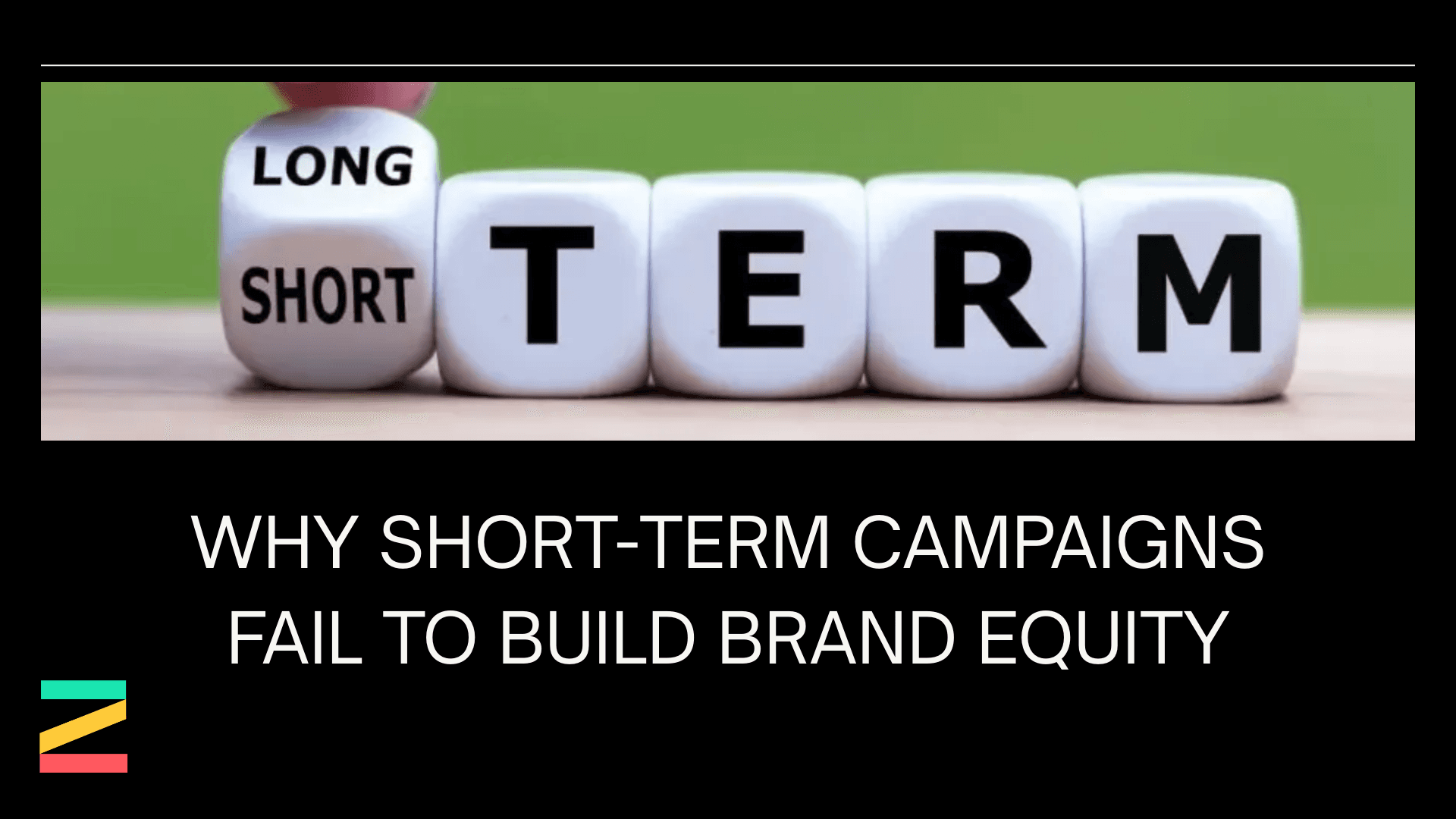
In today’s performance-driven digital marketing landscape, many businesses rely heavily on short-term marketing campaigns to generate immediate results. Flash sales, limited-time offers, viral ads, and aggressive paid promotions may deliver quick traffic and conversions, but they rarely help in building strong brand equity.
Brand equity is the long-term value a brand holds in the minds of consumers. It is built through trust, consistency, emotional connection, and meaningful experiences. In this blog, we explore why short-term campaigns fail to build brand equity and what brands should focus on instead for sustainable growth.
Understanding Brand Equity
Brand equity refers to how customers perceive and remember a brand. It is not about instant sales but about long-term impact.
Strong brand equity helps businesses achieve higher customer loyalty, better brand recall, increased customer lifetime value, reduced dependency on discounts, and long-term business stability.
Unlike short-term results, brand equity is built gradually through consistent and strategic marketing efforts.
What Are Short-Term Marketing Campaigns
Short-term campaigns are marketing activities designed to achieve immediate outcomes such as quick sales, leads, website traffic, or social media engagement.
These campaigns usually focus on urgency and quick wins. While they are effective for immediate goals, they are not designed to build long-lasting brand perception or loyalty.
Short-Term Campaigns Focus on Sales Not Brand Value
Most short-term campaigns are conversion-focused. The messaging is built around immediate action, such as "buy now," "limited offer," or "last chance."
This approach prioritizes transactions over relationships. Customers may purchase once due to urgency, but they do not develop trust or attachment to the brand.
Brand equity grows when customers repeatedly choose a brand because they believe in its value, not because of temporary offers.
Discounts Reduce Perceived Brand Value
Short-term campaigns often rely heavily on discounts and promotions. Over time, this creates a price-driven audience.
When customers associate a brand mainly with discounts, they wait for offers instead of purchasing regularly. This reduces perceived quality and weakens brand positioning.
Brands with strong equity focus on value, experience, and differentiation rather than constant price cuts.
Lack of Emotional Connection
Brand equity is rooted in emotional connection. Customers stay loyal to brands they feel connected to.
Short-term campaigns usually lack storytelling, brand personality, and purpose-driven messaging. They focus on urgency instead of emotion.
Without emotional engagement, customers forget the brand as soon as the campaign ends.
Inconsistent Messaging Harms Brand Identity
Short-term campaigns often change tone, visuals, and messaging based on trends or offers.
This inconsistency confuses audiences and weakens brand recall. Customers struggle to understand what the brand truly stands for.
Strong brand equity requires consistent messaging across all channels, including websites, ads, social media, and customer interactions.
Short-Term Metrics Do Not Measure Brand Growth
Short-term campaigns are measured using clicks, impressions, conversions, and return on ad spend.
However, brand equity is measured through brand recall, trust, loyalty, repeat purchases, and customer sentiment.
Focusing only on short-term metrics can lead brands to ignore long-term growth indicators that truly matter.
No Long-Term Customer Relationship
When a short-term campaign ends, engagement often drops immediately.
Traffic decreases, leads stop, and customers move on to competitors. There is no retention strategy or long-term relationship building.
Brands that invest in long-term strategies create ongoing engagement, trust, and customer loyalty.
Lack of Brand Differentiation
Most short-term campaigns follow similar formats, such as discounts, countdowns, and limited offers.
This makes brands look similar and interchangeable. Customers fail to see what makes one brand unique from another.
Brand equity is built when customers clearly understand why they should choose your brand over competitors.
Why Long Term Branding Is More Important
In competitive markets, customers remember brands, not campaigns.
Long-term branding helps reduce dependency on paid advertising, improve organic growth, increase credibility, and build customer loyalty.
Brands with strong equity are more resilient and perform better during market changes.
What Builds Brand Equity Instead
To build lasting brand equity, businesses should focus on consistent brand positioning, content-driven marketing, long-term digital strategy, strong customer experience, and authentic storytelling.
These elements work together to build trust and long-term value.
How Ztrategize Helps Build Brand Equity
At Ztrategize, we believe marketing is not just about quick wins but about building brands that last.
We help businesses create long-term digital marketing strategies that balance performance with branding. Our approach focuses on SEO-friendly content, consistent brand messaging, customer engagement, and sustainable growth.
If you want to move beyond short-term campaigns and build real brand equity, Ztrategize can help you achieve it.
Conclusion
Short-term campaigns may deliver quick results, but they are not enough to build brand equity. Without consistency, emotional connection, and long-term vision, these campaigns fade quickly.
True brand equity is built through strategic planning, storytelling, trust, and consistency. Brands that focus on long-term branding create lasting impact and sustainable growth.
If you are ready to build a brand that customers remember and trust, connect with Ztrategize today.