Last update:
In today’s fast-paced digital world, most brands are chasing the same things trends, virality, and short-term attention. But while many focus on quick wins, a new approach is quietly redefining how successful brands are built: psychological branding.
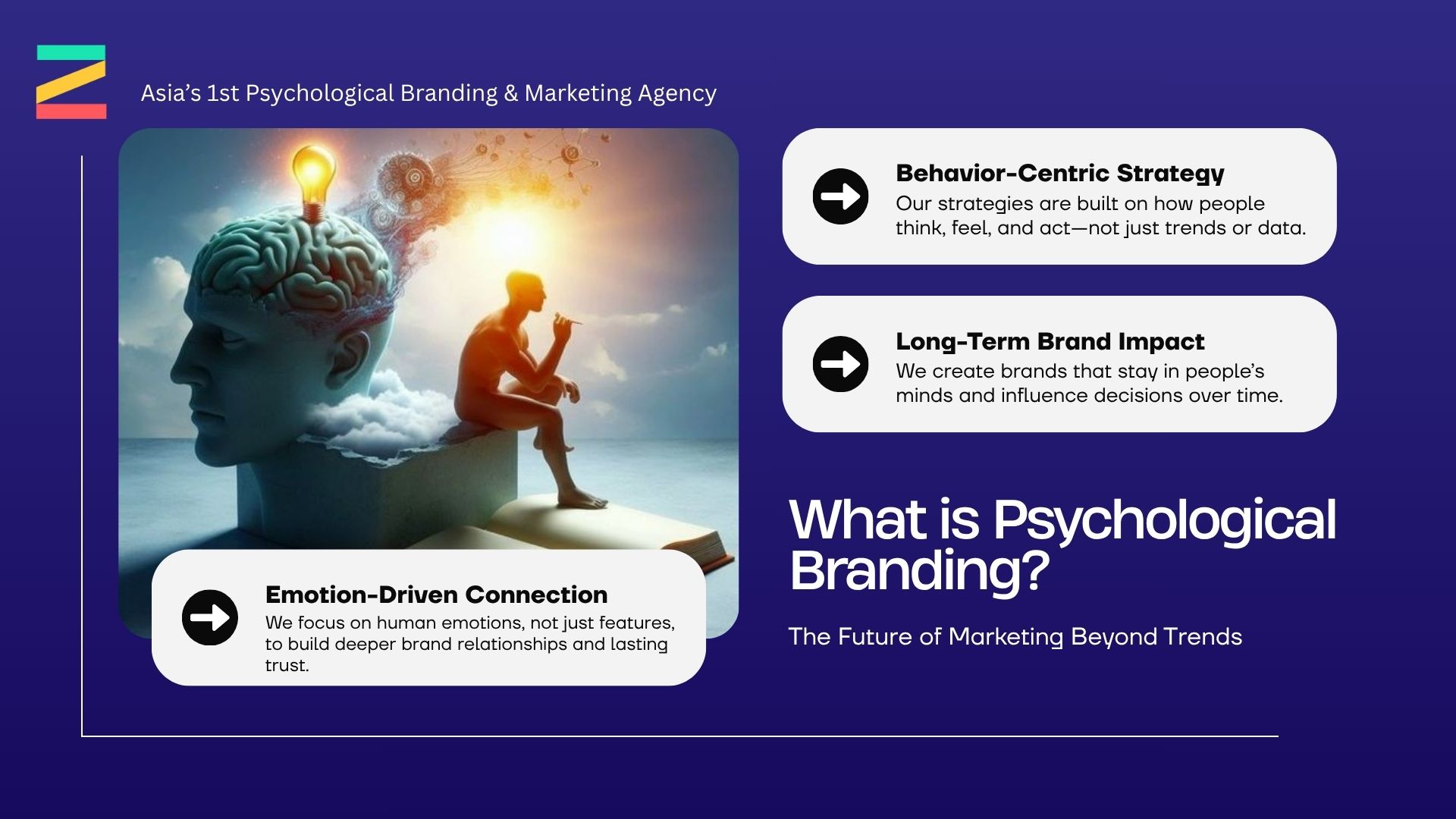
Psychological branding goes beyond visuals and slogans. It focuses on understanding human behavior, emotions, and decision-making patterns to create deeper and more meaningful connections with customers.
Understanding Psychological Branding
Psychological branding is the practice of using principles of human psychology to influence how people perceive, remember, and connect with a brand.
Instead of asking:
“How do we get more clicks?”
It asks:
“Why do people choose one brand over another?”
“What emotions drive their decisions?”
“How can we create lasting trust?”
This shift in thinking moves brands from being seen as just another option to becoming a preferred choice.
The Origin of Psychological Marketing
One of the earliest pioneers of psychological marketing was Edward Bernays, widely known as the father of public relations. In his book Propaganda, he explained how human behavior and subconscious desires can be influenced through strategic communication.
His work laid the foundation for modern marketing strategies that focus not just on products but on perception, emotion, and influence.
Today, psychological branding builds on these principles in a more ethical, structured, and data-driven way.
Why Psychological Branding Matters Today
Modern consumers are overwhelmed with ads, content, and choices. Traditional marketing methods are becoming less effective because:
People ignore generic ads
Trust in brands is decreasing
Attention spans are shorter than ever
Psychological branding solves this by focusing on:
Emotional connection
Trust-building
Long-term memory
Instead of chasing trends, it builds lasting brand value.
Key Elements of Psychological Branding
1. Emotional Connection
People don’t buy products; they buy feelings. Brands that evoke emotions like trust, happiness, or belonging tend to perform better.
2. Cognitive Biases
Human decisions are often influenced by mental shortcuts like:
Social proof
Scarcity
Authority
Smart brands use these principles ethically to guide decisions.
3. Consistency
Consistent messaging builds familiarity, and familiarity builds trust.
4. Storytelling
Stories are easier to remember than facts. Strong brands use storytelling to create deeper engagement.
Psychological Branding vs Traditional Marketing
Traditional Marketing | Psychological Branding |
Focus on the product. | Focus on perception |
Short-term results | Long-term growth |
Trend-driven | Behavior-driven |
Sales-oriented | Trust-oriented |
This shift is what separates ordinary brands from iconic ones.
How Brands Use Psychology to Influence Decisions
Successful brands don’t just sell; they influence.
They use:
Colors to evoke emotions
Words to trigger action
Design to guide behavior
For example:
Red creates urgency
Blue builds trust
Minimal design signals premium quality
These are not random choices; they are backed by psychology.
The Future: From Digital Marketing to Psychological Branding
The marketing landscape is evolving.
While many businesses still focus on:
Views
Clicks
Virality
Forward-thinking brands are shifting towards:
Deep customer understanding
Behavioral insights
Long-term brand building
This is where psychological branding becomes a game-changer.
How Businesses Can Start Using Psychological Branding
If you want to apply psychological branding, start with:
Understanding your audience deeply
Identifying emotional triggers
Creating consistent messaging
Building trust over time
Focusing on long-term impact, not quick wins
Conclusion
Psychological branding is not just a marketing strategy; it’s a mindset shift.
It moves businesses from:
“Chasing attention To building meaningful connections”
In a world where everyone is trying to be seen, the brands that win are the ones that are felt and remembered.
If you’re looking to move beyond traditional marketing and build a brand rooted in human psychology, working with Asia's 1st Psychological Branding and Marketing Agency can help you create deeper impact and long-term growth.